
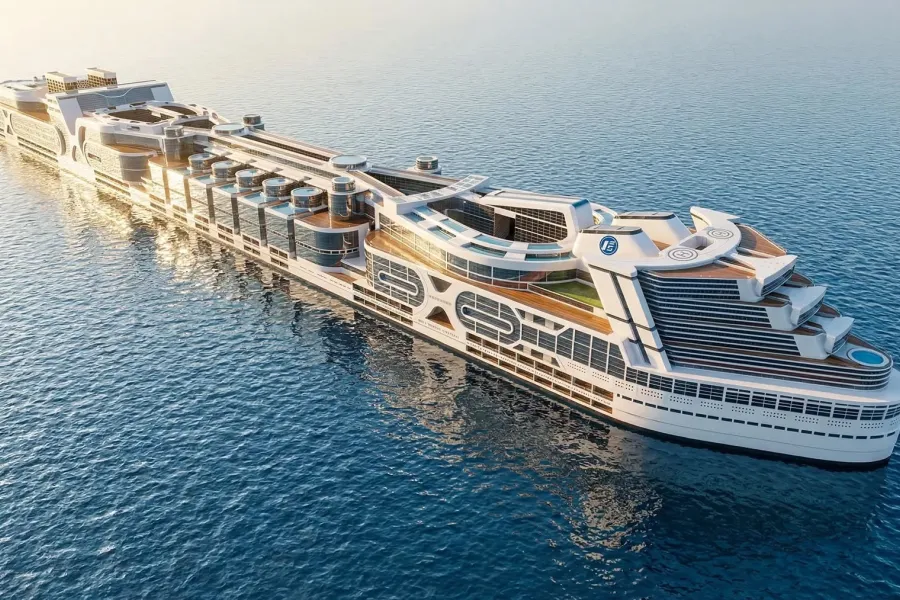
The Freedom Ship concept has resurfaced with plans for a nuclear-powered floating city unlike anything ever built. Measuring over 2 million gross tons, nearly a mile in length, about 800 feet wide, and rising 30 decks above the water, Freedom Ship would become the largest maritime vessel in history. The ship is designed to travel continuously around the globe at a leisurely speed of seven knots while accommodating up to 80,000 people, including 50,000 permanent residents, 10,000 visitors, and 20,000 crew members.
If ever realized, Freedom Ship would dwarf Royal Caribbean's Icon of the Seas, currently the world's largest cruise ship. Icon of the Seas measures 1,198 feet in length and 248,663 gross tons, making the proposed floating city several times larger in both scale and capacity.
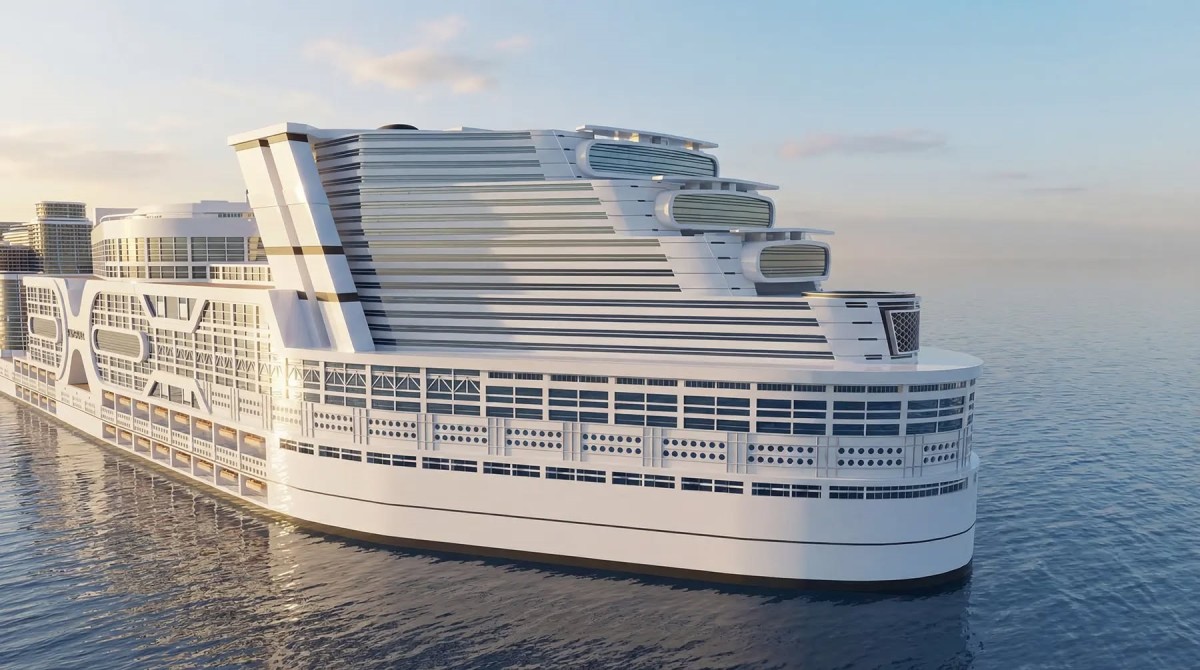
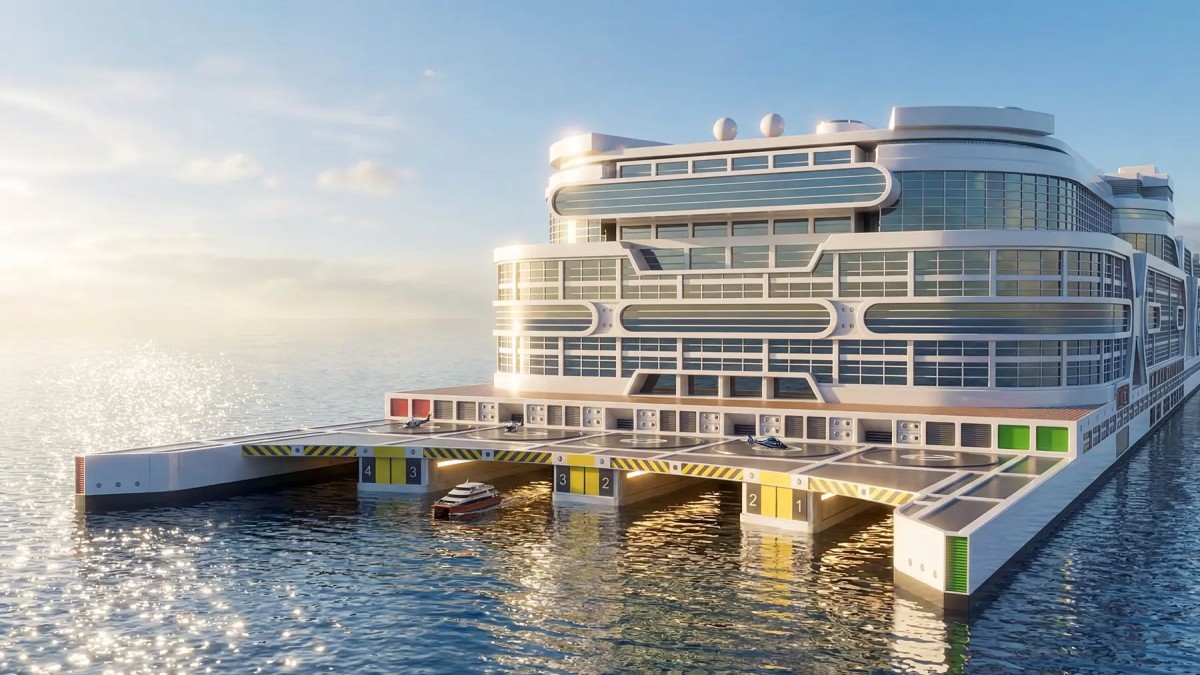
Freedom Cruise Line International, Inc. plans for the vessel include schools, hotels, shops, museums, restaurants, a water park, green spaces, and even a 15,000-seat stadium. Because of its immense size, Freedom Ship would be unable to dock at conventional ports and would instead remain offshore, with passengers and residents transported to land by shuttle vessels.
Project backers argue that nuclear propulsion would provide sufficient energy for a self-sustaining community while significantly reducing emissions. However, the concept continues to raise serious questions. Originally conceived in the 1990s, Freedom Ship has spent decades on the drawing board. Despite renewed interest, it remains far from becoming reality. With an estimated price tag exceeding €14 billion, the project faces enormous financial, technical, and regulatory hurdles.
"We are firmly convinced that we can achieve this, but the crucial factor remains funding," said CEO Roger Gooch. If financing can be secured, the company says construction would begin in Indonesia and take approximately three to four years to complete.
Many maritime experts remain skeptical about the project's feasibility, citing the unprecedented engineering challenges involved in designing, building, and operating a vessel of this scale. Nevertheless, its supporters remain optimistic. "It's an extraordinary concept," said project director Sridev Mookerjea. "With a good dose of perseverance, we can turn this dream into reality."
For now, Freedom Ship remains one of the most ambitious maritime concepts ever proposed—but also one that should be viewed with caution until questions surrounding funding, engineering, regulatory approval, and the availability of a shipyard capable of constructing such a mammoth vessel are convincingly answered.